Cute Cat Clipart Collection
First Impression: Warm, Whimsical, and Ready for Real Stitches
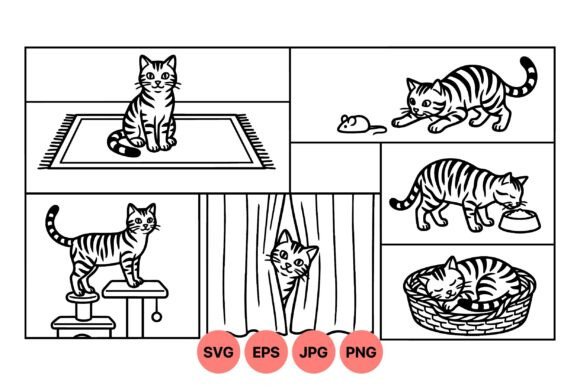
Opening the Cute Cat Clipart Collection feels like flipping through a quiet sketchbook of domestic charm—tabby cats curled in baskets, peeking from behind curtains, batting at toy mice on rugs. There’s no forced cuteness here; the illustrations lean into gentle realism with soft outlines, expressive eyes, and subtle texture in fur and fabric. As an embroidery designer who’s stitched hundreds of animal motifs, I immediately notice how these cats avoid cartoonish exaggeration while still reading clearly at small scale. That balance is rare—and critical—for anything meant to translate into thread.
A Real Project Test: Embroidering a Linen Kitchen Towel
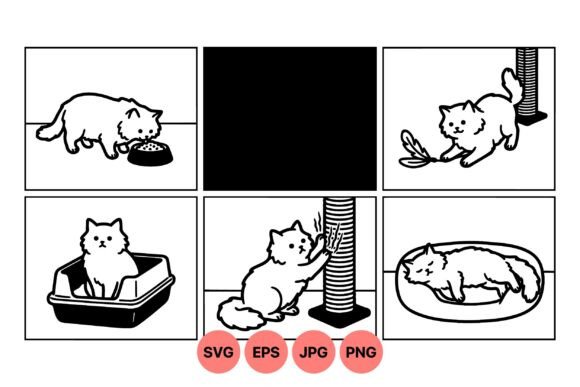
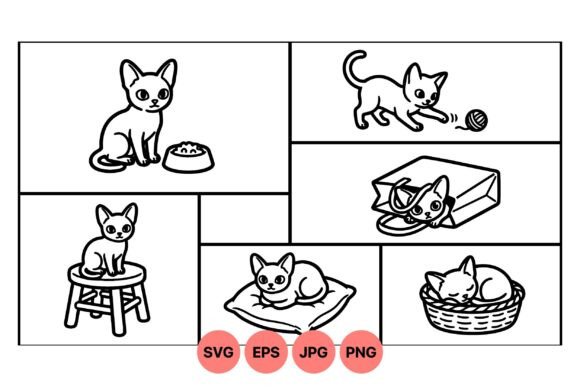
Last week, I prepped a custom order for a local café: six linen tea towels, each with one cat from the Cute Cat Clipart Collection embroidered in the lower corner. Why this collection? Because it delivers narrative without clutter—each pose tells a tiny story (a cat mid-pounce, another half-asleep in a wicker basket), making the finished towel feel personal, not generic. On linen, the clean lines held up beautifully in satin stitch for outlines and soft fill stitch for bodies. No bleeding, no skipped stitches—even where fur detail met curved edges of the basket rim. Customers loved the warmth it added: not “cute for cute’s sake,” but cozy, lived-in, and quietly intentional.
Where It Shines (and Where to Pause)
The Cute Cat Clipart Collection works exceptionally well for:
- Small-batch apparel: Think sweatshirt cuffs, baby onesie hems, or apron pockets—where a single expressive cat adds personality without overwhelming the garment.
- Embroidered patches: The consistent line weight and moderate detail level mean clean edge definition even at 2.5"–3" width, ideal for iron-on or sew-on patches sold on Etsy or at craft fairs.
- Nursery and baby embroidery: Soft poses (sleeping in baskets, curled on rugs) read as soothing—not frenetic—making them perfect for crib blankets, burp cloths, or milestone photoshoot props.
- Holiday and gift embroidery: A cat hiding behind curtains? Instant Christmas Eve charm. One eating from a bowl beside a tiny “Meow-ry Christmas” tag? Playful but not kitschy—ideal for boutique holiday collections.
That said, proceed thoughtfully with:
- Stretchy or thin fabrics: Fine details (like whiskers or mouse tail tips) may blur if stabilizer isn’t matched precisely to knit or rayon blends. Always test on scrap first.
- Dark or textured backgrounds: While the clipart has strong silhouette value, dense fill areas can flatten on heavy terry cloth or black fleece. Consider simplifying fill stitch density or adding a subtle running stitch outline for lift.
- Curved surfaces (caps, mugs, curved pillow seams): The sitting-on-rug and basket poses adapt well—but the “hiding behind curtains” composition stretches awkwardly across domes. Stick to centered, upright poses for caps and curved appliqué.
- Frequent-wash items: These are Illustrations first—so if you’re converting them into machine embroidery designs, verify stitch density isn’t too sparse for durability. Overly open fill stitch may wear faster on dish towels or kids’ tees.
What It Adds to Your Finished Product—Beyond Looks
Using Cute Cat Clipart Collection isn’t just about dropping in a design—it’s about elevating perception. Handmade product buyers respond to authenticity, and these cats feel observed, not generated. That translates directly to trust: when a customer sees that sleeping-in-basket motif on your Etsy listing, they imagine the care behind it—not just stitching, but curation. For small shop owners, that nuance supports premium pricing. For craft fair sellers, it sparks conversation (“Oh, my cat does *that*!”). And for digital product sellers building design assets, this collection offers cohesive variety—six distinct scenes, same visual language—so customers can mix and match across mugs, totes, and pillows without clashing.
Practical Designer Notes Before You Stitch
Before committing thread and time:
- Test on scrap fabric—especially if using textured weaves or dark grounds. Watch how whiskers, paw pads, and toy mouse details resolve.
- Check thread color contrast: These illustrations rely on shape and expression, not bold outlines. Avoid low-contrast combos (e.g., light gray thread on oatmeal linen) unless intentionally minimalist.
- Review stitch density in any converted embroidery file. Dense fills work for stable fabrics; lighter fills suit delicate baby items—but confirm it’s balanced, not patchy.
- Confirm hoop size compatibility. Some poses (like “cat on rug”) span wider than others—ensure your standard hoop accommodates the longest dimension comfortably.
- Inspect small details under magnification: Are whiskers legible as satin stitch? Does the toy mouse retain its shape at 1.75"? If not, simplify manually before stitching.
- Mock it up in black and white first—many buyers visualize embroidery in grayscale. Does the composition hold weight without color cues?
- Use appropriate stabilizer: Tear-away for stable cottons; cut-away for knits or lightweight linens. The detail level demands stability, not slippage.
- Verify licensing for commercial embroidery or resale of finished products. Since this is a Graphics asset, confirm whether derivative use (e.g., digitized files for sale) is permitted.
Final Thought: Not Just Cats—A Design Language You Can Build On
The Cute Cat Clipart Collection doesn’t shout. It invites. It fits naturally into handmade product workflows—from quick custom totes for local shops to heirloom baby sets for Etsy. Its strength lies in restraint: enough detail to feel considered, enough simplicity to stitch cleanly, and enough warmth to resonate. For embroidery designers, craft business owners, and creative entrepreneurs, it’s less of a “clipart drop-in” and more of a reliable, mood-aligned design partner—one that helps your finished product feel thoughtfully made, not mass-produced. Use it with intention, test with care, and let those tabby moments land exactly where they should: in the quiet, joyful details of real life.